
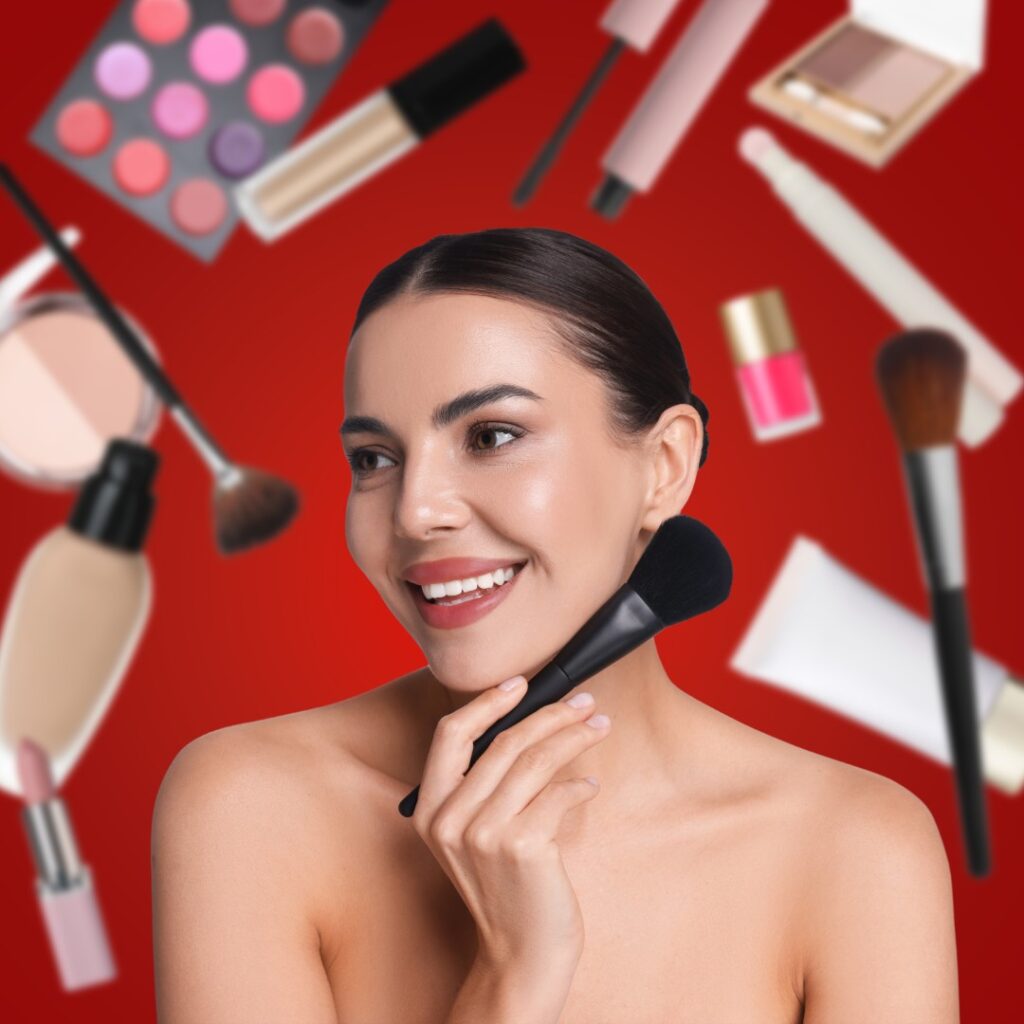
A growing number of UK businesses are extending into cosmetics – not because they started as beauty brands, but because their existing audience is asking for it. Fashion labels, wellness businesses, skincare brands, gift retailers, salons and independent boutiques are all finding that a well-chosen cosmetics range sits naturally alongside what they already do.
If you are thinking about adding colour cosmetics to your brand, this guide covers the routes available to you, what to expect from the process and the questions worth asking before you commit.
The appeal is straightforward. If you already have a loyal audience and a clear brand identity, launching a cosmetics line is a way to deepen that relationship, increase average order value and create a category with strong repeat-purchase potential.
Colour cosmetics also travel well alongside categories that have nothing obvious to do with beauty. A sustainable fashion brand can launch a cruelty-free lip range. A wellness business can extend into tinted moisturisers. A hair salon can add a complementary cosmetics line. The common thread is brand trust – customers who already believe in what you do are well-positioned to try a new product from you.
The practical barrier – finding a manufacturer willing to work with a brand that is not already in the beauty industry, at volumes that make commercial sense – has lowered significantly. UK manufacturers with low minimum orders and hands-on onboarding support make this more accessible than it was a decade ago.



Before you start speaking to manufacturers, it helps to understand the three main routes. Which one is right depends on your timeline, budget, how distinct you want the products to feel and how much development involvement you want.
White label cosmetics means selecting products from a manufacturer’s existing, tested portfolio and selling them under your own brand name and packaging. The formula is already developed and compliant. You choose the products, design your packaging and go to market.
This is the right route if speed and simplicity are the priority. You are not going to get a formula that is exclusively yours, but you get a quality, tested product to market in the shortest possible time. Most brands adding a first cosmetics range start here.
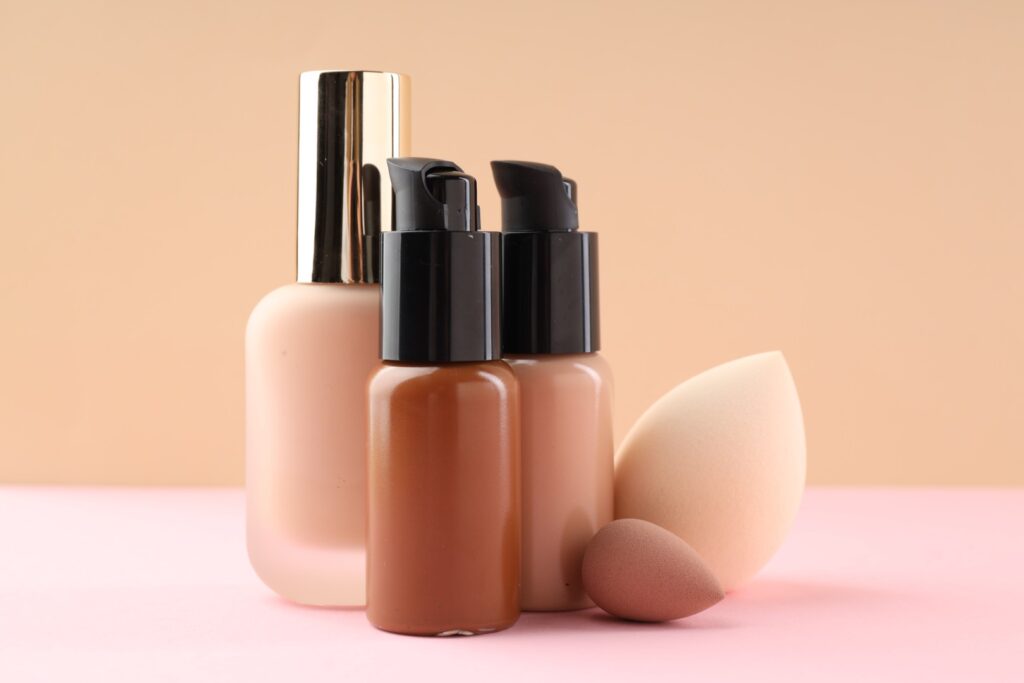
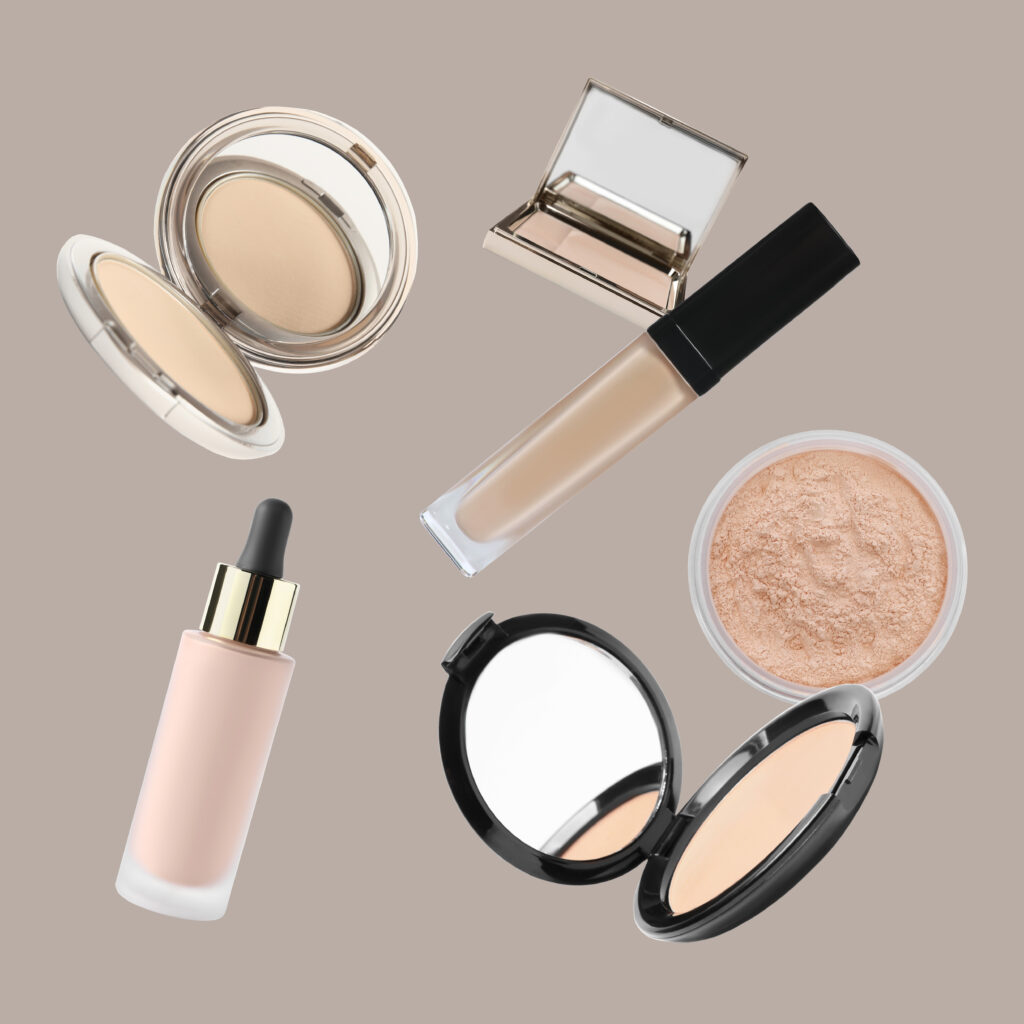
Private label works from the same principle – existing, proven formulas – but with more customisation. Shade selection, finish adjustments and a closer working relationship with the manufacturer mean the end product feels more distinctly yours, even though the base formula exists.
This is the right route if your brand has a clear aesthetic or positioning that needs to come through in the products themselves – a specific colour story, a finish that suits your customer, a texture that matters to your brand.
Bespoke means developing a formula from scratch, specifically for your brief. The formula belongs to you, the product can be genuinely different from anything else on the market and you have full control over the development.
The trade-off is time and cost. Bespoke development takes longer and costs more. It is the right route when differentiation is essential – usually for brands with a specific performance claim, a unique texture requirement or a positioning that depends on the product being genuinely unlike anything else available.
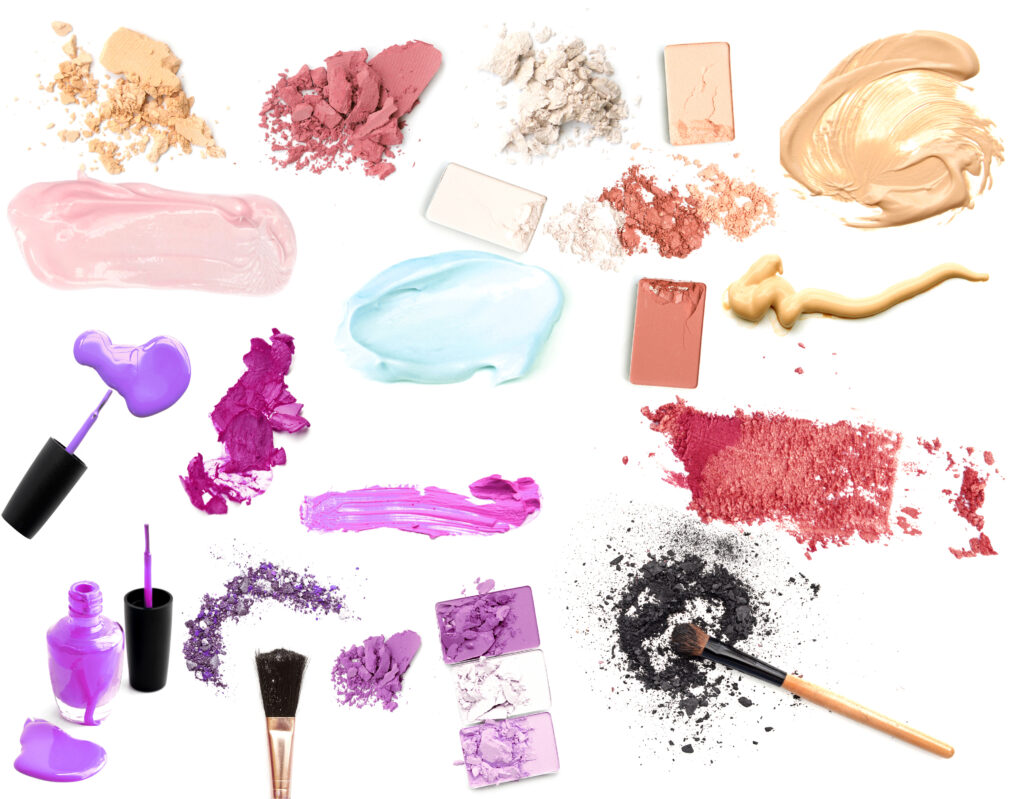

Cosmetics work best as an extension when they sit naturally alongside what you already do. A skincare brand extending into tinted moisturisers or foundations makes obvious sense. A gardening brand adding a lipstick collection is a harder story to tell. The question is whether your existing customer would believably want this product from you.

It is almost always better to launch with one or two well-chosen products than to try to build a full range immediately. A single strong hero product gives you something to put marketing weight behind, something to learn from and something to iterate on before you add to the range.
Products that work well as first launches tend to be repeatable-purchase items with broad appeal – a lip product, a tinted moisturiser, a setting powder. Category-specific choices depend on your brand positioning and your customer.

Most UK manufacturers working with smaller brands start from 1,000 units per product or per shade. For a two-shade launch, that is 2,000 units total. Before you start development, it is worth modelling what that looks like for your margins and how long it would take you to sell through.
The capital required is not just production – factor in packaging, safety testing and compliance, photography and any launch marketing. The full cost of a cosmetics launch is typically higher than the manufacturing quote alone.

Custom packaging – branded tubes, pots, compacts or any packaging with your logo and label – typically takes eight to twelve weeks from design approval to delivery. This is often the longest element of the timeline and the one most likely to delay a launch if it is not planned early.
Standard or stock packaging can move faster, but limits your options for brand differentiation. Most brands find a middle ground – stock packaging components with custom printed labels and cartons.
Every cosmetic product sold in the UK must have a Cosmetic Product Safety Report (CPSR) before it goes on sale. Products also need a Product Information File (PIF) and CPNP notification for products sold in Great Britain.
This sounds complicated, and navigating it alone it is. But a good manufacturer handles this as part of their service – arranging safety testing, commissioning the CPSR and supporting the notification process. If a manufacturer expects you to manage compliance independently, that is worth knowing before you commit.
For brands new to the category, working with a manufacturer who includes compliance support is strongly advisable.
Creative Cosmetics is certified to ISO 9001 and ISO 22716 by UKAS-accredited GCL International, so your products are made under audited quality systems and cosmetic GMP – the standards retailers and regulators expect.
For a white label or private label launch using existing formulas:
Three to five months is a realistic expectation for most straightforward launches. Bespoke formulation, complex packaging or multiple rounds of sampling add time. The honest advice is to start the conversation earlier than you think you need to.
For most brands adding cosmetics for the first time, white label is the pragmatic starting point. You get a tested, compliant product to market without a long development process, at a cost that makes sense for a first run. If the products sell well and you want to make them more distinctly yours, you can move to private label for the next iteration.
The brands that get into trouble are usually those that try to launch a large range, with bespoke formulation, before they know whether their audience will buy cosmetics from them at all. Starting smaller and learning is almost always the better approach.
There are no restrictions on the type of business that can sell cosmetics. You need products that comply with UK cosmetics regulations (CPSR, PIF, CPNP) – your manufacturer should handle this. Beyond compliance, the main consideration is whether it makes brand sense for you.
No. Many brands launching cosmetics come from outside the beauty industry. A good manufacturer guides you through product development, compliance and the practical steps involved. You bring the brand identity and the customer relationship – the manufacturer brings the formulation and regulatory knowledge.
Costs vary significantly by product type, volume and the level of customisation. As a rough guide, a white label launch of two products at 1,000 units each – including manufacturing, packaging, safety testing and compliance – typically runs from several thousand pounds upwards. Get a detailed quote from your manufacturer early so you can plan the full cost of launch, not just production.
If you have a formula of your own, some manufacturers will work to it – this is often called contract manufacturing. Most brands adding cosmetics for the first time do not have their own formula and use the manufacturer’s existing portfolio (white or private label). If you want a formula developed specifically for you from scratch, that is bespoke formulation.
Products with broad appeal and strong repeat-purchase potential tend to work well as first launches – lip products, tinted moisturisers and face products are popular entry points. The right choice depends on your brand positioning and what your existing customer is most likely to buy from you.
Products must be notified on the UK’s CPNP system before they go on sale in Great Britain. Your manufacturer should support this as part of the compliance process. You as the brand are the ‘responsible person’ under UK cosmetics regulations – your manufacturer’s GMP certification and compliance documentation support your obligations.

Creative Cosmetics is a UK colour cosmetics manufacturer based in Ipswich. We work with brands at every stage – including established businesses adding cosmetics for the first time. Our white label and private label service offers access to 200+ proven formulations, MOQs from 1,000 units and full compliance support.
If you are thinking about adding cosmetics to your brand and want an honest conversation about what is involved, we are happy to talk it through before you commit to anything.