
Choosing the right cosmetics manufacturer is one of the most consequential decisions you will make as a beauty brand. Get it right and you have a partner who helps you build something. Get it wrong and you are firefighting quality issues, chasing delivery dates and managing a supplier who was never really set up to work with brands like yours.
This guide covers the key questions to ask and the things to look for when evaluating UK cosmetics manufacturers – whether you are launching your first product or switching from an existing supplier.
Good Manufacturing Practice (GMP) is the baseline standard for cosmetics production. In the UK, the relevant certification is ISO 22716 – the international standard for cosmetics GMP. ISO 9001 covers the broader quality management system.
Any UK cosmetics manufacturer worth considering should hold both. Ask to see their certificates and check who issued them. Certificates issued by UKAS-accredited certification bodies carry more weight than those from unaccredited bodies – the auditing is more rigorous.
GMP certification matters because it is what retailers, distributors and increasingly consumers expect. If you ever want to sell through a retailer or get products stocked, your manufacturer’s GMP status will come up.
Creative Cosmetics is certified to ISO 9001 and ISO 22716 by UKAS-accredited GCL International, so your products are made under audited quality systems and cosmetic GMP – the standards retailers and regulators expect.
MOQ stands for minimum order quantity – the smallest production run a manufacturer will take on. This number varies significantly across the industry.
Large-scale manufacturers typically set MOQs at 5,000 to 10,000 units per product or per shade. Manufacturers set up to work with smaller and independent brands often work from 1,000 units or fewer.
Two things to clarify when discussing MOQ:
Starting from a lower MOQ lets you test the market properly before committing to large volumes. It is a genuine advantage, particularly for first-time launches.
Manufacturing overseas – typically China, South Korea or parts of Europe – can offer lower unit costs on large runs. It also comes with longer lead times, more complex logistics, higher minimum orders and less control over quality during production.
UK-based manufacturing typically offers shorter lead times, easier communication, lower MOQs and more opportunity to visit and be involved in the development process. The unit cost may be higher, but the total cost of errors, delays and reworks often makes the comparison less clear-cut than the headline price suggests.
Questions worth asking any manufacturer regardless of location:
Not all manufacturers offer all routes. Understanding what a manufacturer is set up for matters as much as the manufacturer itself.
Some manufacturers specialise in one route. Others offer all three. Knowing which route you need – or being honest that you are not sure yet – helps you filter quickly.
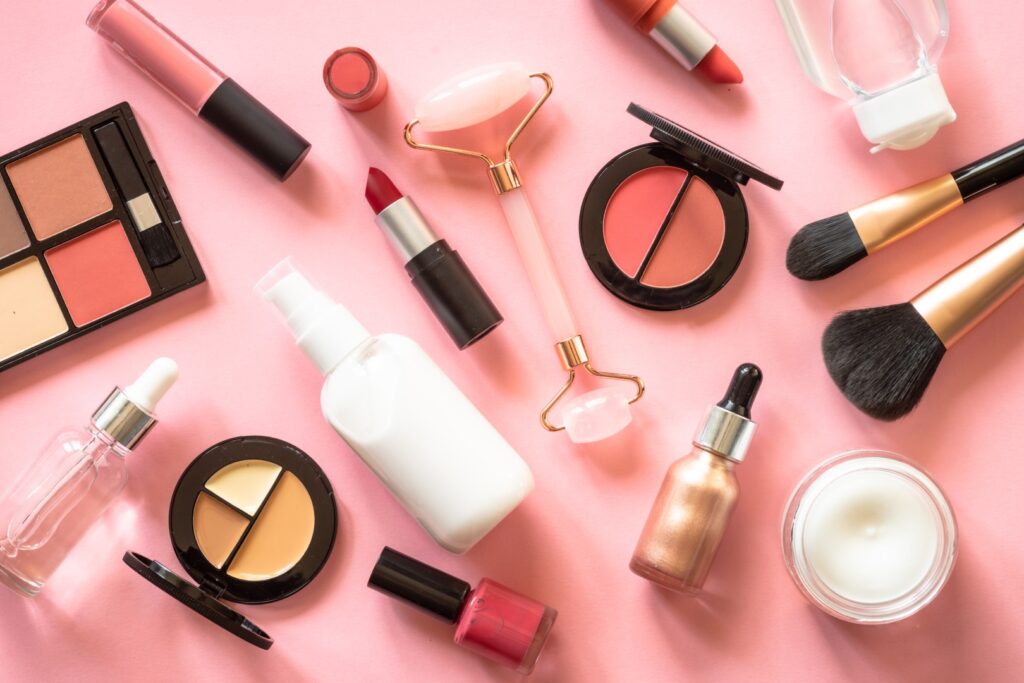
Every cosmetic product sold in the UK requires a Cosmetic Product Safety Report (CPSR) before it goes on sale. Products also need a Product Information File (PIF) and, for products sold in Great Britain, CPNP notification.
Some manufacturers handle all of this as part of their service. Others leave it entirely to you. The difference matters – managing safety documentation yourself is time-consuming and requires specialist knowledge.
Ask specifically:
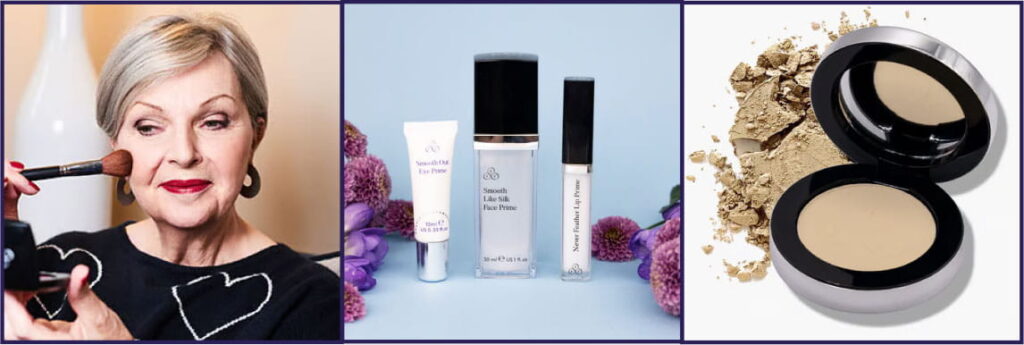
A manufacturer with deep experience in colour cosmetics is a different proposition to one that makes cosmetics alongside supplements, cleaning products and food packaging. Specialisation matters for formulation quality, shade development expertise and how well they understand what your customer actually expects from the product.
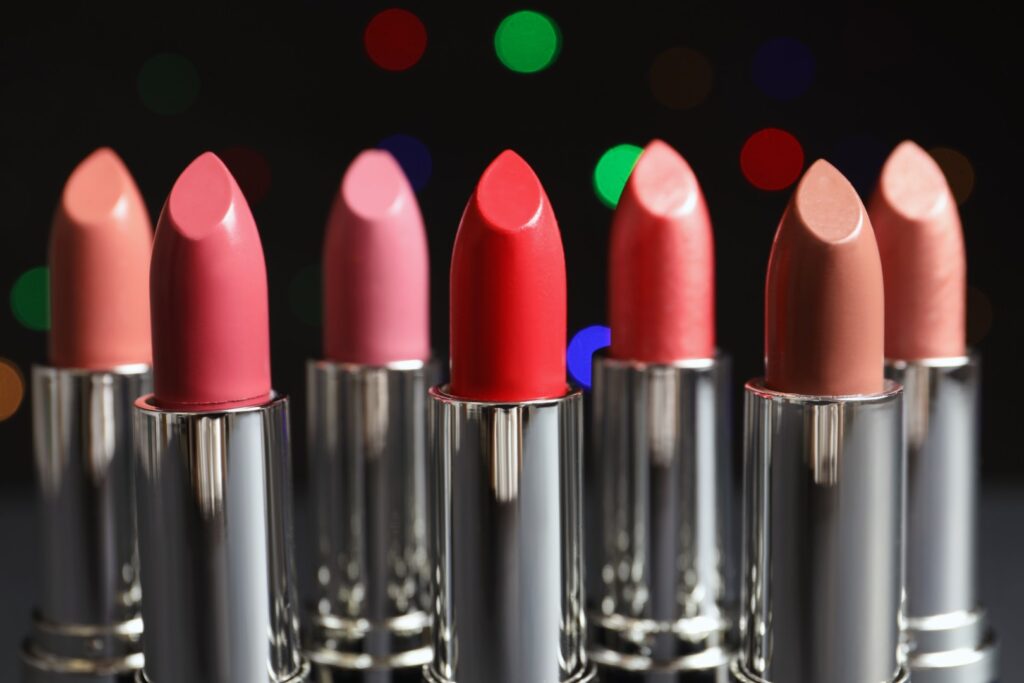
Ask to see examples of the specific product types you want to make. A manufacturer who has been making lipsticks for thirty years will give you a more useful opinion on your shade brief than one for whom lipsticks are a small part of a broader catalogue.
A good manufacturer should be able to point you to brands they have worked with. Some clients may be confidential, but you should expect to see at least some concrete examples of what they have produced and for whom.
Look for brands at a similar stage to yours – not just the biggest names on the list. A manufacturer who only works well with established brands running large volumes may not be set up to support a launch properly.
The manufacturing process involves sampling, shade approval, packaging decisions, stability testing, compliance documentation, production scheduling and delivery. The question is how much of that you are expected to manage yourself.
Some manufacturers hand you a formula and leave the rest to you. Others are genuinely involved throughout – offering packaging guidance, brand input, flagging issues early and being available when questions come up.
This is harder to assess from a website than GMP certification or MOQ, so it is worth asking directly: who is my point of contact, how do you typically communicate with clients during a project, and can I speak to a brand you have worked with?

A first call with a manufacturer tells you a lot about how they work. These questions are worth having ready:



Start with a search for the specific type of manufacturing you need – private label, white label or contract manufacturing – combined with the product type. Trade directories, beauty industry events and word of mouth within the founder community are also useful. Once you have a shortlist, the questions above should help you evaluate them properly.
It depends on your priorities. UK manufacturing typically offers shorter lead times, easier communication, lower minimum orders and more flexibility. Overseas manufacturing can offer lower unit costs at high volumes. For most emerging and independent brands, the total cost of managing an overseas relationship – including errors, delays and logistics – often makes UK manufacturing the more practical choice.
MOQs vary significantly. Large manufacturers often set minimums at 5,000 to 10,000 units. Manufacturers working with smaller brands often start from 1,000 units per product or shade. Always confirm whether the MOQ applies per product or per shade, as this changes the calculation considerably.
Your manufacturer needs GMP certification (ISO 22716) – not you as the brand. However, if you ever contract manufacture and sell product yourself, the regulatory responsibility for compliance sits with you as the ‘responsible person’ under UK cosmetics regulations. Your manufacturer’s GMP certification is part of demonstrating that your products are made to the required standard.
From first conversation to finished stock, allow three to five months for a straightforward launch using existing formulas and standard packaging. Custom formulation, bespoke packaging and multiple rounds of sampling add time. The compliance process – safety assessment, CPSR, CPNP – needs to be factored in alongside the production timeline.
The terms are often used interchangeably. A cosmetics manufacturer makes cosmetics. Contract manufacturing refers specifically to manufacturing on behalf of another brand – producing products to the brand’s brief rather than under the manufacturer’s own brand. Most UK cosmetics manufacturers offering private or white label are operating as contract manufacturers.

Creative Cosmetics is a UK colour cosmetics manufacturer based in Ipswich, with 30+ years of formulation experience. We offer white label, private label and bespoke product development for brands at every stage – from first launch to established ranges looking to scale or expand.
ISO 9001 and ISO 22716 certified. MOQs from 1,000 units. Compliance support included.
Call: 01473 685599