You’ve got the idea. Maybe you’ve been thinking about it for months – a lip colour that actually stays put, a primer that works for your skin type, a product range that speaks to an audience nobody else is talking to. The hard part isn’t the idea. The hard part is knowing where to start and how to start a Cosmetics Brand in the UK.
The good news is that launching a cosmetics brand in the UK is more accessible than it’s ever been. You don’t need a factory, a chemistry degree or a six-figure budget. What you do need is a clear plan and the right people around you.
Here’s how it actually works.
1. Get clear on what you’re making and who it’s for
Before you think about formulas or packaging, spend some time on the basics. What problem does your product solve? Who is it for? What makes it different from what’s already out there?
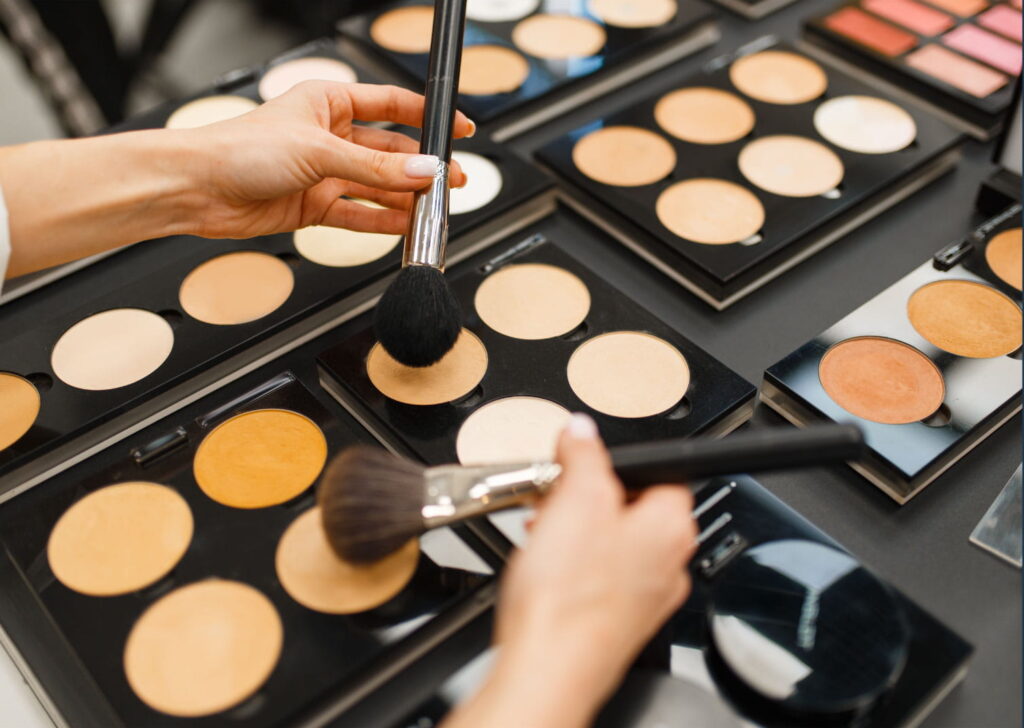
You don’t need to have a full brand identity pinned down at this stage, but you do need enough clarity to brief a manufacturer. The more specific you can be – the shade, the finish, the texture, the feel – the faster things will move once you get started.
Start with one or two hero products rather than trying to launch a full range. It’s much easier to build a brand around something that genuinely works than to spread your budget thin across ten products that are just okay.
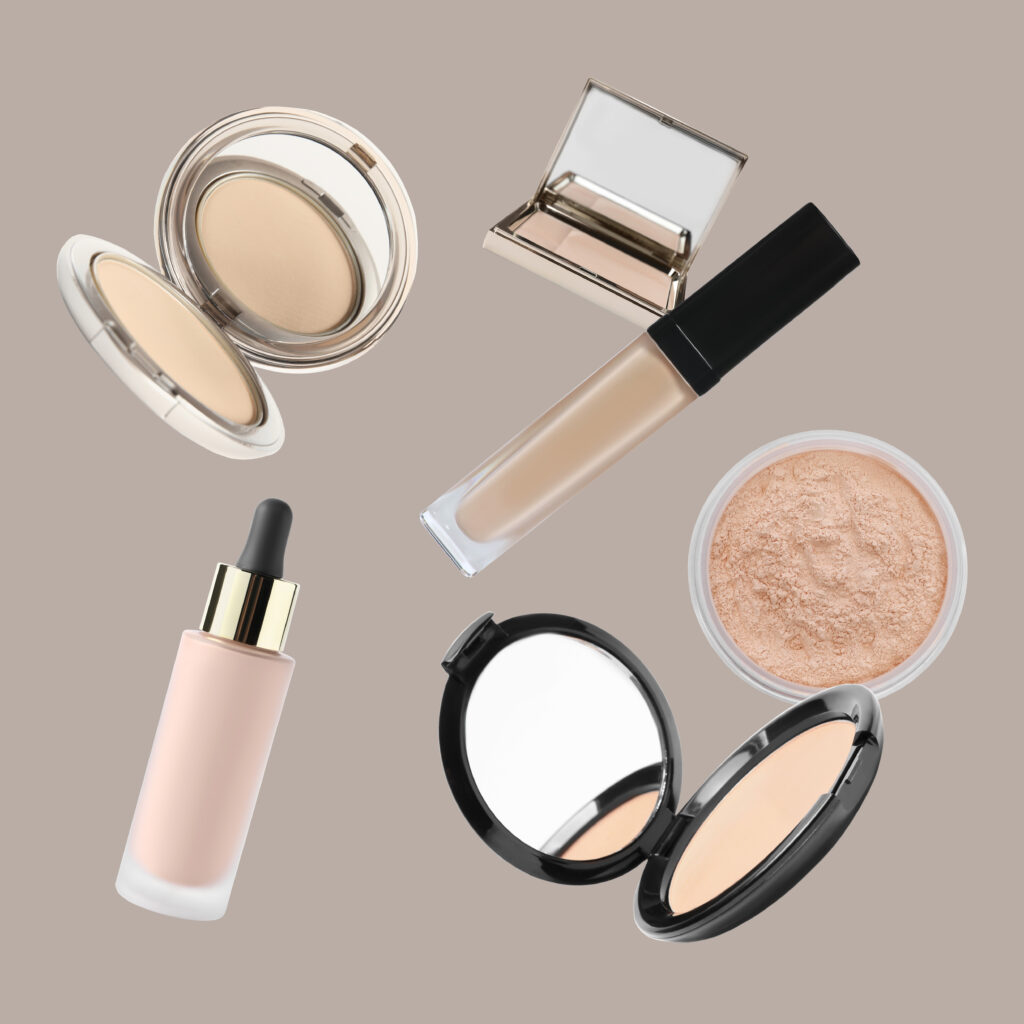
2. Understand your options: private label, white label or bespoke
When it comes to actually making your products, there are three main routes – and understanding the difference will save you a lot of time.
Private label
Choosing from a manufacturer’s existing range of tried-and-tested formulas and selling them under your own brand. It’s the fastest and most cost-effective route to market, and the products are already safety-tested and ready to go. You choose your packaging, your shades and your branding – the formula itself is pre-developed.
White label
Working from existing, proven formulas with no formulation changes. The formula is selected as-is, with guidance on the right packaging for your brand and recommendations on decoration and labelling.
Bespoke formulation
Starting from scratch. A chemist develops a formula built entirely around your brief. It takes longer and costs more, but if you need something genuinely unique – a specific ingredient story, an unusual texture, a formula that doesn’t exist yet – it’s worth it.
For most first-time founders, private label is the sensible starting point. You can always develop bespoke products once the brand has traction.

3. Find a UK-based manufacturer
Working with a UK Cosmetics manufacturer has real practical advantages. Communication is easier, lead times are shorter, and you’re not sending production brief emails at 3am to someone in a different time zone. There are also compliance and safety testing requirements for cosmetics sold in the UK, and a UK-based manufacturer will understand these inside out.
When you’re evaluating manufacturers, the things to ask about are:
- Minimum order quantities (MOQs) – how many units do you need to order per product or per shade?
Some manufacturers require 5,000 or 10,000 units. Others, like us, work from as low as 1,000 units. - What support do they offer? Do they help with formulation, or do you need to come to them with a finished brief? Do they handle safety testing and compliance, or is that on you?
- What’s their product range? Make sure they actually make what you want to make. A manufacturer that specialises in colour cosmetics is a different business to one focused on skincare.
- Can you see examples of their work? Case studies, samples and references matter.
4. Sort your safety and compliance
All cosmetics sold in the UK must meet the requirements of the UK Cosmetics Regulation. That means every product needs a Cosmetic Product Safety Report (CPSR) before it can go on sale, and you’ll need to register it on the UK’s Cosmetic Products Notification Portal (CPNP).
This sounds more complicated than it is. A good manufacturer will guide you through it – and in many cases will handle the safety testing and compliance documentation as part of their service. It’s worth asking about this upfront so you know exactly what you’re responsible for.
5. Think about packaging early
Packaging takes longer than most people expect. Lead times for custom packaging – boxes, bottles, tubes, compacts – can run to eight to twelve weeks, sometimes longer. If you want a custom mould or a completely bespoke container, add more time on top of that.
The practical advice is to lock down your packaging decisions early, ideally before you finalise your formula. Your manufacturer may be able to help with component sourcing, which keeps things simpler and means everything is designed to work together.

6. Nail your pricing before you launch
Cosmetics can be profitable, but only if your numbers add up. Before you commit to a production run, work out your full cost of goods – manufacturing, packaging, safety testing, labelling – and then map out what you need to charge to make the margin work across your sales channels.
If you’re selling direct to consumer, your margins will be higher. If you’re planning to sell wholesale or into retail, you’ll need to build in more headroom. The minimum order quantities you negotiate will also affect your unit cost – generally, the larger the run, the lower the cost per unit.
7. Plan your launch before production starts
It sounds obvious, but a lot of first-time founders focus entirely on getting the product right and leave the launch almost as an afterthought. By the time your stock arrives, you want your website live, your social channels active and your launch plan ready to go.
You don’t need a huge marketing budget. What you need is a genuine audience – even a small one – who are genuinely excited about what you’re making. Building that before your product lands makes a significant difference to how a launch performs.
Ready to get started?
If you’re at the early stages of planning your brand, we’d love to hear about your project. We work with founders at every stage – from first idea through to finished stock – and we’re honest about what’s realistic, what it’ll cost and how long it’ll take.
Get in touch for a free, no-obligation conversation with our team at creativecosmetics.com/contact